
Industrial Garbage Bin Pickup Helper: Find the Real Calendar, Hauler Rules and Access Fix
Industrial bins do not have one universal pickup day. A warehouse, shop, factory, commercial plaza, restaurant back lane, construction site or mixed-use building may use a city ICI program, private hauler, landlord contract, shared property account, roll-off order or special waste stream.
This guide helps you find the real pickup source, prepare the bin correctly, prevent missed collections, choose the right container type, and avoid rejected loads without pretending there is a Canada-wide calendar.
Quick Answer: How to Find an Industrial Bin Pickup Day
The pickup day comes from whoever controls the waste account. Check the bin decal, invoice, service agreement, city business waste account, hauler portal, property manager notice, landlord email or roll-off order confirmation.
Find the account owner
Confirm whether the bin is controlled by the municipality, private hauler, landlord, plaza manager, strata, condominium association, construction contractor or your own business account.
Confirm the waste stream
General garbage, cardboard, mixed recycling, organics, grease, pallets, scrap metal, construction waste and hazardous waste may each follow a different pickup or disposal route.
Make the bin serviceable
Unlock gates, clear vehicles, close lids, remove overflow, keep snow away, check contamination, and make sure the truck can safely reach the container.
“Industrial garbage bins” is not a verified municipality. This article should not invent a pickup date. It should solve the user’s real problem: finding the correct account-based calendar and fixing the reason a business bin is late, overflowing, blocked or rejected.
Industrial Bin Problem Tool: Choose Your Situation
Use this simple helper to decide your next action. It does not replace the official city, hauler or property manager calendar, but it shows where to look and what to fix.
📅 Which Week Am I On? — Garbage or Recycling?
160+ Canadian cities · CSS animated bins · Monthly calendar · Holiday warnings
City not in our database yet
We don't have a reference date for this city. To find your biweekly schedule, use one of these options:
Once you have the date of your last garbage week, enter it in the date field above and click Check.
Next pickup date
Based on your collection day
🔑 Bookmark this page to check your schedule every 2 weeks
Official Commercial Bin Rules: Access, Locks, Overflow and Wrong Materials
Official commercial collection pages usually answer the problems that cause missed industrial pickups: what container size is used, whether a service agreement is required, what materials are prohibited, how access must be kept clear, when gates must be unlocked, and what happens when bins are overfilled.
Saskatoon commercial garbage rules
Saskatoon’s ICI page is useful because it explains container sizes, collection frequency options, service agreements, access, overfilled containers, prohibited material and customer responsibilities.
Open Saskatoon commercial garbage collectionToronto business collection rules
Toronto’s business program shows why business waste may involve garbage bin service, garbage tags, Green Bin participation, fees and separate arrangements for other waste streams.
Open Toronto business collection program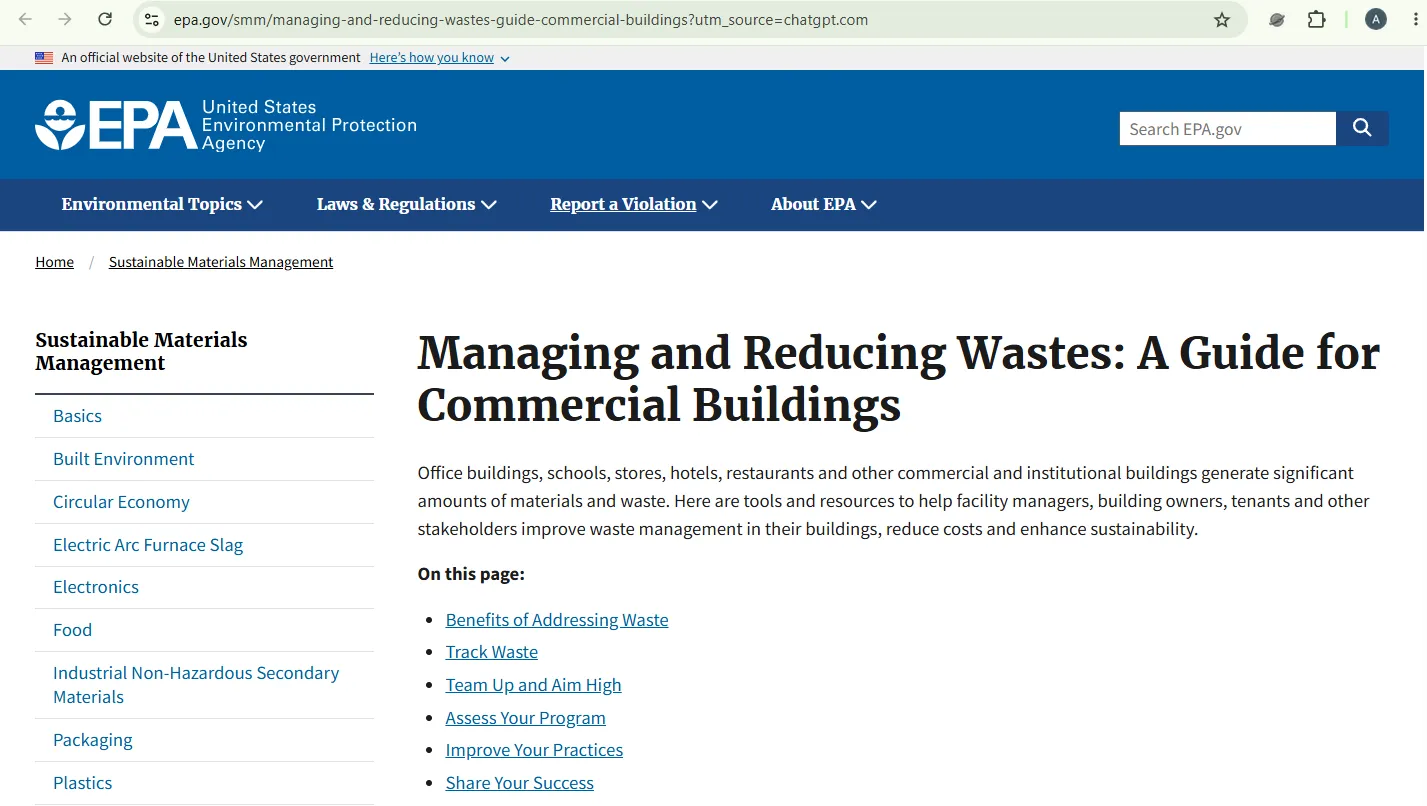
Use the screenshot to recognize the official page type you need: commercial garbage collection, business bins, set-out rules, rates, service agreements and missed pickup details. Use the video as a practical reminder that business waste sorting matters; then check your own city, hauler or property manager for the final pickup day.
Who Controls the Industrial Bin Schedule?
Your schedule depends on the account source. Choose the correct path first, or you may follow the wrong calendar and call the wrong place.
Municipal collection
Use the city commercial, industrial, institutional, non-residential or business waste page. Look for applications, service agreements, fees, collection frequency and set-out rules.
Contract calendar
The pickup day may be in the hauler portal, invoice, container decal, service agreement, dispatch email or account manager notes.
Landlord or manager
Plazas, industrial parks and mixed-use properties may use shared bins controlled by a property manager, strata, condominium association or landlord.
Roll-off order
Construction and cleanout bins usually follow delivery date, rental period and haul-away request rules, not a normal weekly garbage schedule.
Industrial Garbage Bin Pickup Calendar: Where the Real Date Comes From
An industrial bin calendar is usually account-based. The useful answer is not “Monday everywhere.” It is: which provider, which address, which container, which stream, which frequency, and which holiday rule?
If you searched for a 2025 industrial bin calendar, treat it as stale. Business waste contracts, service days, fees, recycling responsibility and city eligibility can change. Use the current provider or city source before planning staff shifts, loading dock access or cleanout work.
Official Source Matrix: Which Link Should You Use?
Different users need different official sources. This matrix keeps the article useful without turning it into a keyword list.
Official PDF Audit: Storage Space, Bin Access and Loading Area Rules
Commercial and industrial bin pickup often fails because the site was not designed for real collection. Official storage/access PDFs are useful because they explain how bins should be reachable, secure, lit, ventilated and connected to a safe loading area.
Level, hard surface and individual bin access
Bin rooms should allow each container to be removed and replaced without moving other containers first. A crowded room creates missed pickups, staff injury risk and contamination.
Wide entry, lighting, ventilation and pest security
Commercial bin areas should be easy to enter, well lit, ventilated, secure against pests and arranged so staff are not dragging heavy bins through unsafe paths.
Truck access and no blocked movement
Loading areas should let collection vehicles reach the service point safely. Poor turning space, parked vehicles, steep slopes and blocked lanes create repeat service failures.
If your industrial site is adding tenants, switching haulers, moving a bin enclosure, adding a restaurant, changing a loading dock or building a mixed-use space, review storage and collection access before signing the service contract.
Industrial Bin Types: Front-Load, Roll-Off, Compactor, Cardboard and Organics
The bin type changes the pickup routine. A front-load garbage bin, roll-off construction bin, cardboard cage, organics tote and compactor do not follow the same handling rules.
Routine scheduled service
Common behind shops, offices, restaurants, warehouses and light industrial units. Missed pickups often happen because the bin is blocked, locked, overflowing or contaminated.
Temporary or heavy-volume jobs
Used for cleanouts, renovation, demolition, landscaping, construction debris and bulky waste. The schedule is usually delivery plus haul-away request, not a regular weekly calendar.
Often needs separate handling
Cardboard can overwhelm a garbage bin after deliveries. Flatten it, keep it dry, and confirm whether it belongs in a recycling bin, cage, baler, depot or hauler service.
Food businesses need a cleaner system
Food scraps, soiled paper, odour and grease need proper separation. Restaurants and cafés should check city, lease, hauler and health requirements.
Never hide it in a bin
Paint, solvents, oil, batteries, propane, chemicals, fluorescent lamps, asbestos and some electronics require approved disposal or take-back routes.
Good for volume, not for every material
Compactors can reduce loose garbage volume, but they still need correct stream control, truck access, service frequency, safety training and a haul schedule.
Bin Size and Pickup Frequency: Fix Overflow Before It Becomes a Fee
A bin that overflows every week is not only a pickup problem. It may be a bin-size, frequency, cardboard, tenant, signage, staffing or sorting problem.
Pickup-Ready Checklist: Access, Locks, Snow, Lids and Overfilled Containers
Industrial pickups fail most often because the truck cannot safely reach or empty the container. Put this checklist into the opening or closing routine for the day before service.
Make the bin ready
- Unlock the gate, bin enclosure or padlock before the collection window.
- Move staff cars, delivery trucks, trailers and pallets away from the bin.
- Close lids and remove loose waste around the container.
- Clear snowbanks, ice, mud and construction material from the truck path.
- Separate cardboard, organics, special waste and hazardous items when required.
- Post simple staff signage near the back door or loading dock.
- Keep the city, hauler or property manager contact path near the office.
Common rejection triggers
- Locked gate with no code, key or service access.
- Vehicles parked directly in front of bins.
- Garbage piled outside or lid unable to close.
- Furniture, appliances or renovation debris in a regular bin.
- Hazardous liquids, paint, oil, chemicals or batteries hidden inside.
- Cardboard jammed into the garbage bin.
- No tenant instructions on a shared property.
Missed Industrial Bin Pickup: What to Check Before Reporting
A missed commercial or industrial bin pickup is not always a late truck. It can be the wrong service day, blocked access, locked gate, contamination, overflow, holiday routing, unpaid account, service pause, driver safety issue or property-manager control.
Was service actually scheduled?
Confirm the bin stream, service day, holiday change and account calendar. Garbage, cardboard, organics and roll-off haul-away can have separate schedules.
Could the truck reach it?
Look for locked gates, snow, parked vehicles, pallets, construction bins, delivery trailers or a blocked loading dock.
Was the load rejected?
Look for a tag, photo, email or account note about overfill, contamination, prohibited waste, overweight material or unsafe pickup.
Include business address, account name, bin location, waste stream, container size, scheduled service date, gate/access details, photos of the bin area, and any tag or notice left by the driver. If a property manager controls the account, report through them first.
Official Examples: Why One National Industrial Bin Calendar Would Be Wrong
SERP results show a mix of municipal pages, private hauler pages and generic dumpster content. The missing helpful answer is explaining how to identify the correct schedule source instead of pretending every industrial bin has the same pickup day.
Frequency can be weekly, bi-weekly, monthly or on-call
Saskatoon’s ICI page is useful for showing how a municipality can let businesses choose frequency and container size while also requiring service agreements and pickup-readiness rules.
Open Saskatoon ICI garbage pageBusiness waste can have different streams and fees
Toronto’s business pages show that businesses may have garbage bin service, garbage tags, Green Bin participation, set-out rules and separate arrangements for recycling or special materials.
Open Toronto fees and set-out for businessesLocal Tips That Prevent Industrial Bin Problems
These practical habits help warehouses, industrial parks, auto shops, food businesses, retail plazas and mixed-use buildings avoid repeated missed pickups.
Post one simple bin map
Show staff where garbage, cardboard, organics, scrap metal, pallets, oil and hazardous items go. One clear sign prevents most contamination.
Take a pickup-morning photo
If missed pickups happen often, take a quick photo showing unlocked access, closed lids and a clear truck path before the service window.
Flatten cardboard immediately
A garbage bin full of boxes and air creates overflow. Assign cardboard handling after delivery days before it becomes a false “garbage pickup” problem.
Clear snow before staff parking fills the lane
In snowbelt cities, the truck path should be cleared before employees and delivery vehicles block the bin enclosure.
Separate special waste early
Put batteries, paint, solvents, fluorescent lamps, propane and oil in a marked storage area until the correct disposal route is confirmed.
Shared bins need written rules
For plazas and industrial parks, ask who pays for contamination, extra pickups, lock changes, overflow and illegal dumping cleanup.
Industrial Garbage Bins Near Me: What to Search and What to Ask
“Near me” searches can help you find haulers, but they do not automatically give the correct pickup day. Ask sharper questions before ordering or changing service.
Official Industrial and Commercial Bin Links
Use these official pages as starting points. Your own municipality, hauler contract, property manager or waste account remains the final source for pickup day, fees and missed pickup action.
City of Saskatoon Commercial Garbage Collection
Useful for ICI container sizes, service frequency, service agreements, access, prohibited material, overfilled containers and fee examples.
Open official pageToronto Collection Program for Businesses
Useful for understanding business eligibility, garbage bin service, garbage tags, organics participation and separate disposal responsibilities.
Open official pageToronto Fees and Set Out for Businesses
Useful for examples of business fees, bin purchases, set-out spacing, visibility, obstruction rules and collection timing.
Open official pageMetro Vancouver Technical Specifications
Useful for commercial storage room, temporary storage, loading area and vehicle access planning.
Open official PDFIndustrial Garbage Bins FAQ
What day are industrial garbage bins picked up?
The pickup day depends on the municipality, private hauler, property manager, service contract, container type and waste stream. Check the account calendar, hauler portal, municipal ICI page or building notice.
Do industrial bins follow the residential garbage calendar?
Usually no. Industrial, commercial and institutional properties can have separate programs, private contracts, fees, eligibility rules, bin sizes and material restrictions.
Why was my industrial bin not collected?
Common reasons include locked gates, blocked access, parked vehicles, snow, overfilled bins, open lids, prohibited material, holiday changes, account issues, contamination or wrong service day.
Can construction waste go in an industrial garbage bin?
Do not assume it can. Construction and renovation debris often need a roll-off container, transfer station, landfill route or special disposal arrangement. Check the hauler or municipal rule before loading it.
Can hazardous waste go in an industrial garbage bin?
No. Paint, solvents, oils, chemicals, propane, batteries, fluorescent lamps, asbestos, some electronics and medical waste need approved disposal or take-back routes.
What is the difference between a front-load bin and a roll-off bin?
A front-load bin usually has routine scheduled pickup for ongoing business waste. A roll-off bin is usually delivered for temporary projects, large cleanouts, construction or high-volume disposal and hauled away by request.
How do I stop an industrial bin from overflowing?
Audit the waste stream first. Separate cardboard, organics, pallets, scrap metal and special waste, then adjust bin size, pickup frequency, staff signage or tenant rules if needed.
Who should report a missed pickup at a shared commercial property?
If a property manager, landlord, strata or plaza manager controls the account, report through them first. If your business holds the account, contact the city or hauler directly with photos and service details.
Do industrial bin fees change by pickup frequency?
Often yes. Fees can depend on bin size, waste stream, pickup frequency, weight, contamination, overflow, blocked access, fuel charges, extra pickups and rental terms.
Is this page an official city pickup calendar?
No. This is an independent practical guide. Always use your municipality, waste hauler, landlord, property manager or official account portal for the final pickup day and live service status.
Final Industrial Bin Summary
The safest industrial bin routine is simple: confirm who controls the account, find the calendar from that source, separate garbage from cardboard, organics and special waste, keep the bin serviceable, and report missed pickups with photos and account details.
If your bin is always overflowing or missed, do not only ask for another pickup. Check bin size, service frequency, tenant behaviour, cardboard volume, locked access, snow, parking, contamination and whether the material belongs in a different disposal route.